Effective Treatments for Pneumonia: What You Need to Know
Get link
Facebook
X
Pinterest
Email
Other Apps
-
Effective Treatments for Pneumonia: What You Need to Know
Pneumonia is a serious lung infection that can affect anyone, from infants to the elderly. While it is a common condition, it can become life-threatening if not diagnosed and treated promptly. Knowing about effective treatments for pneumonia is crucial, not only for those affected but also for caregivers and family members who want to provide the best support. In this comprehensive guide, we will explore pneumonia in detail, its causes, symptoms, and most importantly, the treatments available to manage and recover from this condition effectively.
What Is Pneumonia?
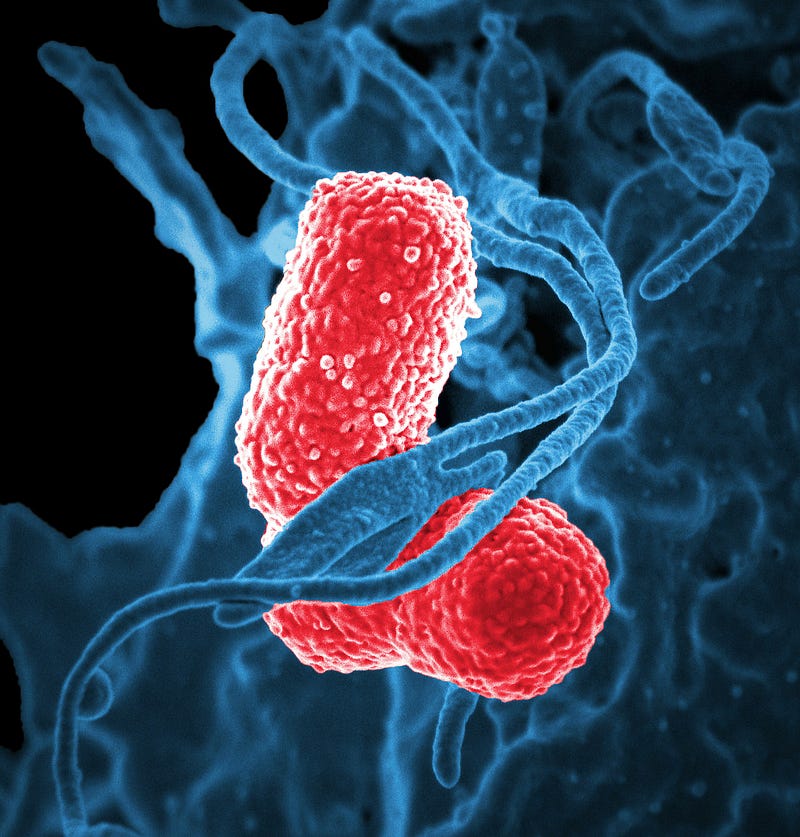
Pneumonia is an infection that inflames the air sacs in one or both lungs. These air sacs, known as alveoli, may fill with fluid or pus, leading to symptoms like coughing, fever, chills, and difficulty breathing. The condition can be caused by bacteria, viruses, fungi, or even certain irritants.
Common Types of Pneumonia:
Bacterial Pneumonia: Often caused by Streptococcus pneumoniae.
Viral Pneumonia: Frequently caused by respiratory viruses like influenza or RSV.
Fungal Pneumonia: Common in people with weakened immune systems, caused by fungi like Histoplasma or Cryptococcus.
Aspiration Pneumonia: Caused by inhaling food, liquid, or other substances into the lungs.
Why Understanding Pneumonia Treatment Is Important
Pneumonia is a leading cause of morbidity and mortality worldwide, especially in vulnerable populations like children under five and adults over 65. Effective treatment can:
Prevent complications such as sepsis or respiratory failure.
Shorten recovery time.
Reduce the risk of long-term damage to the lungs.
With timely and proper care, pneumonia is treatable, and many people recover fully.
Recognizing the Symptoms of Pneumonia
Early recognition of pneumonia symptoms is essential for prompt treatment. Symptoms can vary depending on the type of pneumonia, the patient’s age, and overall health.
Common Symptoms Include:
Persistent cough (dry or producing mucus)
Fever and chills
Shortness of breath or rapid breathing
Chest pain when breathing or coughing
Fatigue and weakness
Loss of appetite
Confusion (especially in older adults)
Bluish lips or nails due to lack of oxygen
Diagnosis: How Doctors Identify Pneumonia
Before starting treatment, a healthcare provider will confirm a diagnosis through a combination of medical history, physical examination, and diagnostic tests.
Diagnostic Tools:
Chest X-Ray: To identify the presence of infection in the lungs.
Blood Tests: To check for infection and identify its cause (bacterial, viral, or fungal).
Sputum Test: Analyzes mucus to determine the specific pathogen.
Pulse Oximetry: Measures oxygen levels in the blood.
CT Scan: Provides a more detailed view of the lungs, used in complicated cases.
Bronchoscopy: In rare cases, a scope is used to examine the airways.
Effective Treatments for Pneumonia
The treatment for pneumonia depends on its cause, severity, and the patient’s overall health. Here’s a breakdown of the most effective treatments for different types of pneumonia.
1. Antibiotics for Bacterial Pneumonia
Antibiotics are the first line of treatment for bacterial pneumonia. They target the specific bacteria causing the infection and help clear it from the body.
Common Antibiotics:
Amoxicillin
Azithromycin
Doxycycline
Levofloxacin
Treatment Duration: Antibiotic treatment usually lasts 5–10 days but may be extended in severe cases.
Tips for Antibiotic Use:
Always complete the prescribed course, even if symptoms improve early.
Inform your doctor about any allergies to antibiotics.
2. Antiviral Medications for Viral Pneumonia
For viral pneumonia caused by influenza or respiratory syncytial virus (RSV), antiviral medications can help reduce the severity and duration of the illness.
Examples:
Oseltamivir (Tamiflu) for influenza.
Ribavirin for RSV.
Supportive Care: Since antibiotics are ineffective against viruses, supportive treatments like rest, hydration, and fever management play a critical role.
3. Antifungal Medications for Fungal Pneumonia
Fungal pneumonia requires antifungal medications, which may be administered orally or intravenously, depending on the severity of the infection.
Examples:
Itraconazole
Amphotericin B
Fluconazole
Note: Fungal pneumonia is more common in immunocompromised individuals, and treatment often requires close medical supervision
4. Oxygen Therapy
For patients experiencing difficulty breathing or low oxygen levels, supplemental oxygen can be administered through:
Nasal cannulas
Oxygen masks
Mechanical ventilation in severe cases
Oxygen therapy helps maintain adequate oxygenation and prevents organ damage caused by hypoxia.
5. Over-the-Counter Medications for Symptom Relief
While these medications don’t treat the infection, they can help manage symptoms like fever, cough, and chest pain:
Fever and Pain: Acetaminophen or ibuprofen.
Cough: Cough suppressants or expectorants, depending on the type of cough.
Tip: Avoid overusing cough suppressants, as coughing helps clear mucus from the lungs.
6. Hospitalization for Severe Cases
In severe cases, especially among the elderly, young children, or those with underlying conditions, hospitalization may be necessary. Hospital treatments include:
Intravenous antibiotics or antivirals.
Fluids to prevent dehydration.
Intensive care and mechanical ventilation for respiratory failure.
Lifestyle Adjustments to Support Recovery
Recovering from pneumonia often takes weeks, even after symptoms subside. Lifestyle changes can accelerate recovery and prevent relapse.
1. Rest and Hydration
Rest allows your body to focus on fighting the infection.
Drinking plenty of fluids helps thin mucus and prevent dehydration.
2. Healthy Diet
Consume nutrient-rich foods like fruits, vegetables, lean proteins, and whole grains to support your immune system.
3. Avoid Smoking and Pollutants
Smoking and exposure to air pollution can worsen lung inflammation and slow healing.
4. Gradual Return to Activity
Ease back into your normal routine with light activities before resuming intense physical exertion.
Preventing Pneumonia: Proactive Measures
Prevention is always better than treatment. Simple steps can significantly reduce your risk of contracting pneumonia.
1. Vaccination
Pneumococcal Vaccines: Protect against bacterial pneumonia caused by Streptococcus pneumoniae.
Examples: Prevnar 13, Pneumovax 23.
Influenza Vaccine: Reduces the risk of viral pneumonia secondary to flu infections.
COVID-19 Vaccine: Prevents pneumonia related to COVID-19.
2. Good Hygiene Practices
Wash hands frequently with soap and water.
Cover your mouth and nose when coughing or sneezing.
Avoid close contact with sick individuals.
3. Strengthen Your Immune System
Regular exercise
Balanced diet
Adequate sleep
4. Manage Chronic Conditions
Control conditions like asthma, diabetes, or heart disease, as they increase the risk of pneumonia.
Complications of Untreated Pneumonia
Left untreated, pneumonia can lead to severe complications, including:
Sepsis: A life-threatening response to infection.
Lung Abscess: A pus-filled cavity in the lung.
Pleural Effusion: Fluid accumulation around the lungs.
Acute Respiratory Distress Syndrome (ARDS): Severe inflammation leading to breathing difficulties.
Prompt treatment is essential to avoid these complications.
When to Seek Medical Help
Seek immediate medical attention if you experience:
Persistent fever or chills.
Difficulty breathing or shortness of breath.
Chest pain that worsens with breathing.
Confusion or mental changes (common in older adults).
Blue-tinted lips or fingers (a sign of oxygen deprivation).
FAQs About Pneumonia Treatment
1. Can pneumonia be treated at home?
Mild cases of pneumonia can often be managed at home with rest, hydration, and prescribed medications. However, severe cases may require hospitalization.
2. How long does it take to recover from pneumonia?
Recovery time varies. Mild cases may resolve within 1–2 weeks, while severe cases can take several weeks to months.
3. Is pneumonia contagious?
Yes, pneumonia caused by bacteria or viruses can be contagious. Take precautions like handwashing and wearing masks around others if you’re diagnosed.
4. Can pneumonia recur?
Yes, especially in people with weakened immune systems or chronic conditions. Preventive measures like vaccination can reduce recurrence risks.
5. Is there a risk of permanent lung damage from pneumonia?
In severe or untreated cases, pneumonia can cause scarring or damage to the lungs. Early treatment minimizes this risk.
Conclusion: Managing and Treating Pneumonia Effectively
Pneumonia is a serious yet treatable condition with the right approach. Whether it’s antibiotics for bacterial infections, antivirals for viruses, or supportive care, early diagnosis and tailored treatments are key to recovery.
Key Takeaways:
Recognize the symptoms of pneumonia early.
Seek prompt medical attention for proper diagnosis and treatment.
Follow prescribed treatments and prioritize rest and hydration.
Adopt preventive measures like vaccination and healthy lifestyle habits.
By staying informed and proactive, you can manage pneumonia effectively and reduce its impact on your health and well-being.
Even though mental health is just as vital as physical health, it is frequently disregarded. You must take action to preserve and enhance your mental health, just as you would with your physical health. Here are some tips for improving your mental well-being and living a more satisfying life. 1. Make self-care a priority Self-care is about making decisions that support general well-being, not just bubble baths and spa days. This comprises: Sleeping well: Try to get seven to nine hours of good sleep every night. Consuming a well-rounded diet: Give your body the nourishment it needs to maintain healthy brain function. Remaining active: Regular exercise causes the release of endorphins, which are organic mood enhancers. 2. Engage in meditation and mindfulness exercises Meditation and mindfulness are effective strategies for enhancing mental wellness. They support stress reduction, mind management, and being in the moment. Meditating for even a short while each day can have a big impact. 3...
The Ultimate Guide to Weight Loss: Tips, Tricks, and Tools Introduction Welcome to your ultimate guide to weight loss! Whether you’re just starting your journey or looking to fine-tune your approach, this blog will provide you with practical tips, effective strategies, and essential tools to help you achieve your weight loss goals. Let’s dive in! Understanding Weight Loss Weight loss is a complex process that involves more than just cutting calories. It’s about creating a sustainable lifestyle change that includes healthy eating, regular physical activity, and mental well-being. Healthy Eating Habits Balanced Diet : Focus on a diet rich in fruits, vegetables, lean proteins, and whole grains. Avoid processed foods and sugary drinks. Portion Control : Use smaller plates and be mindful of portion sizes to avoid overeating. Hydration : Drink plenty of water throughout the day to stay hydrated and help control hunger. Mindful Eating : Pay attention to your hunger and fullness cues. Eat slow...




Comments
Post a Comment